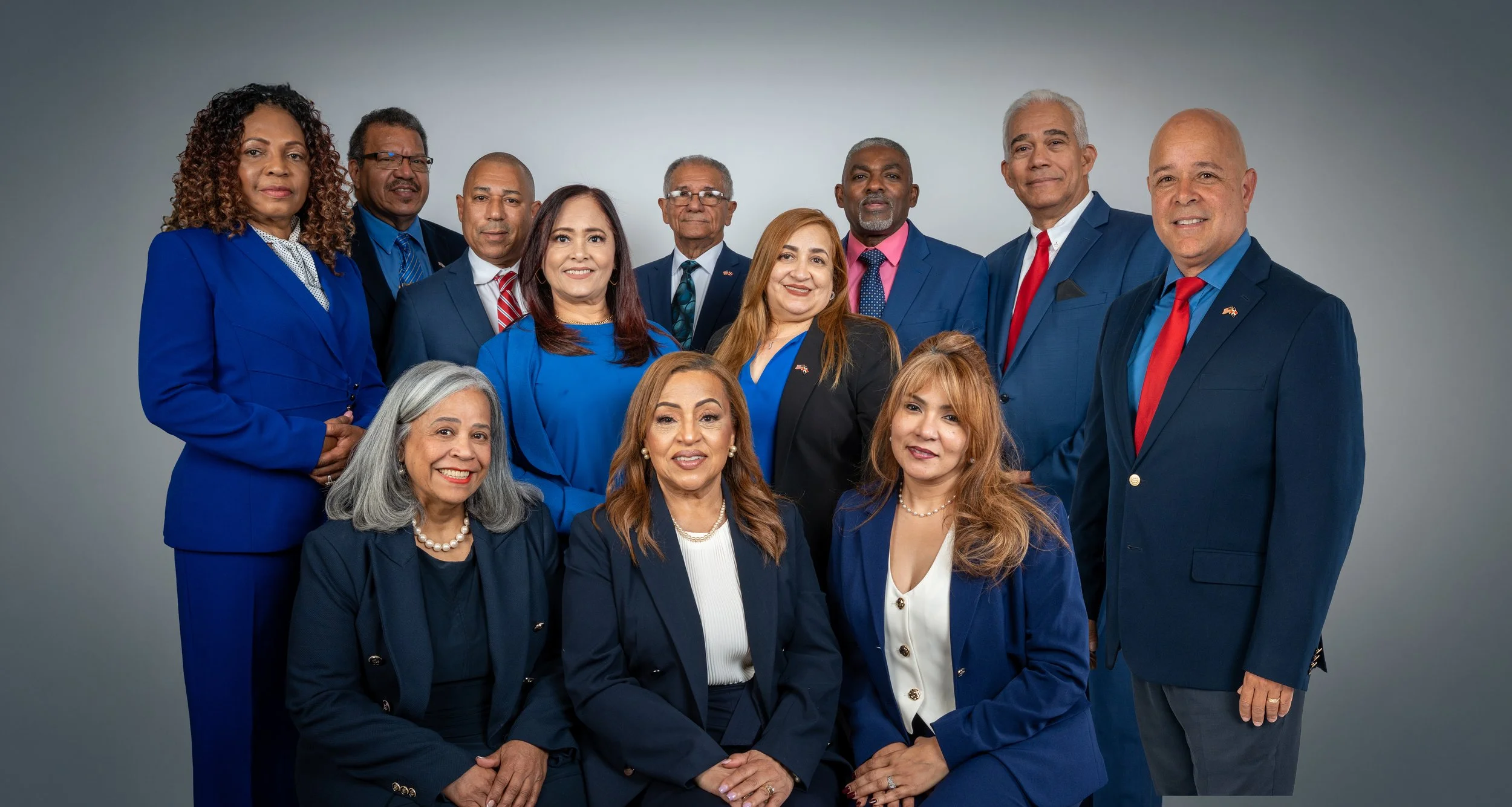
Dominican Independence Heritage Award Committee of Rhode Island
In February 2005, the first Dominican Independence and Heritage event was held. It took place at the State House of Rhode Island, in the majestic Governor’s Hall.
The committee’s mission is to elevate the positive image of the Dominican community and preserve the culture with the highest patriotic sentiment, honoring the founding fathers of the nation, who are the heroes and creators of Dominican nationality. This committee was also founded to commemorate our patriotic anniversaries with respect and dignity, and to instill in our children, women, and men of Dominican descent a love for the homeland, which is also their homeland. It is also the committee’s mission to build a legacy that will continue to inspire and motivate future generations to appreciate Dominican culture, traditions, and heritage, while at the same time being a proud Dominican and a proud American.
FOUNDERS
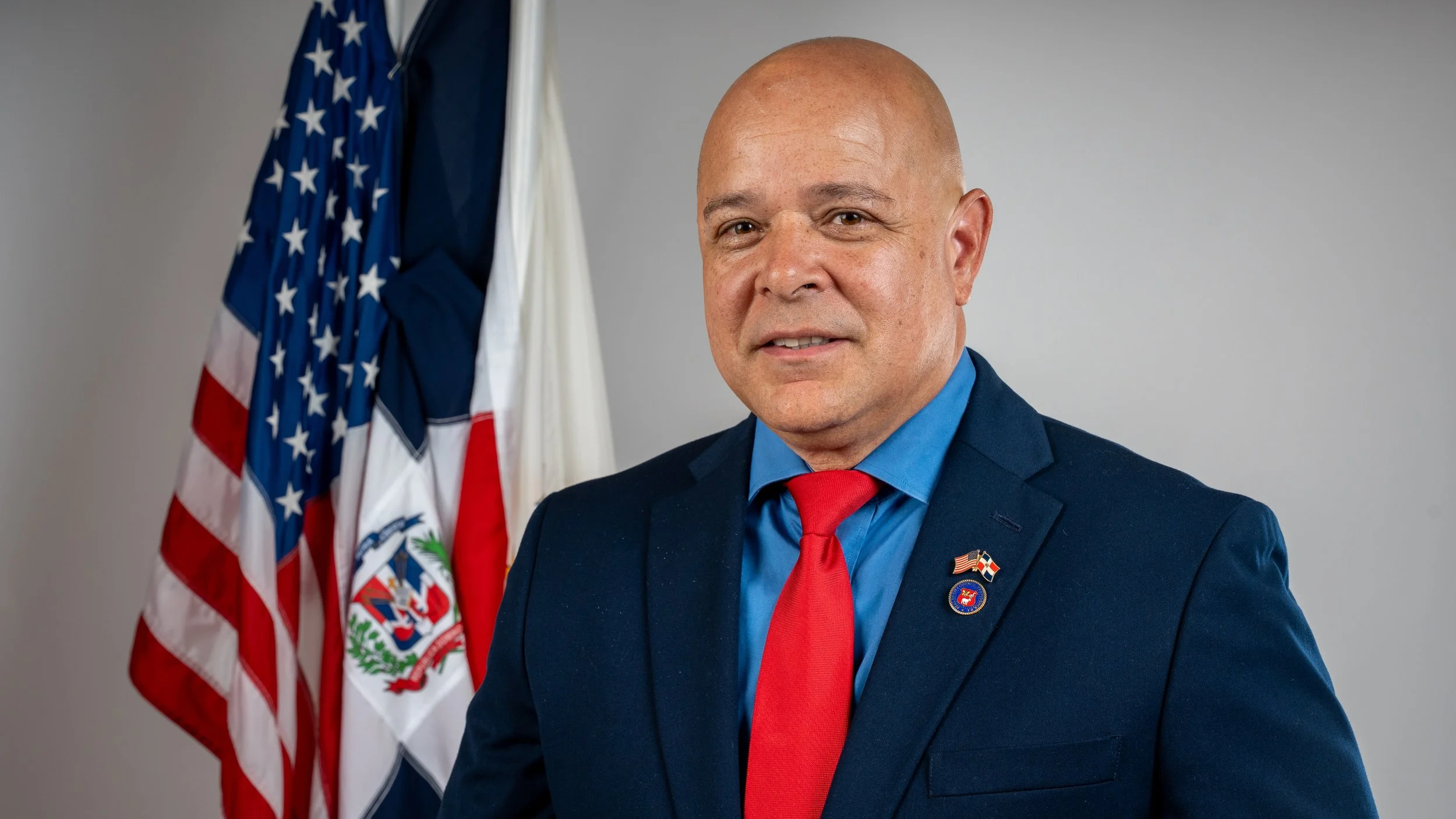
Juan M. Pichardo
Former State Senator
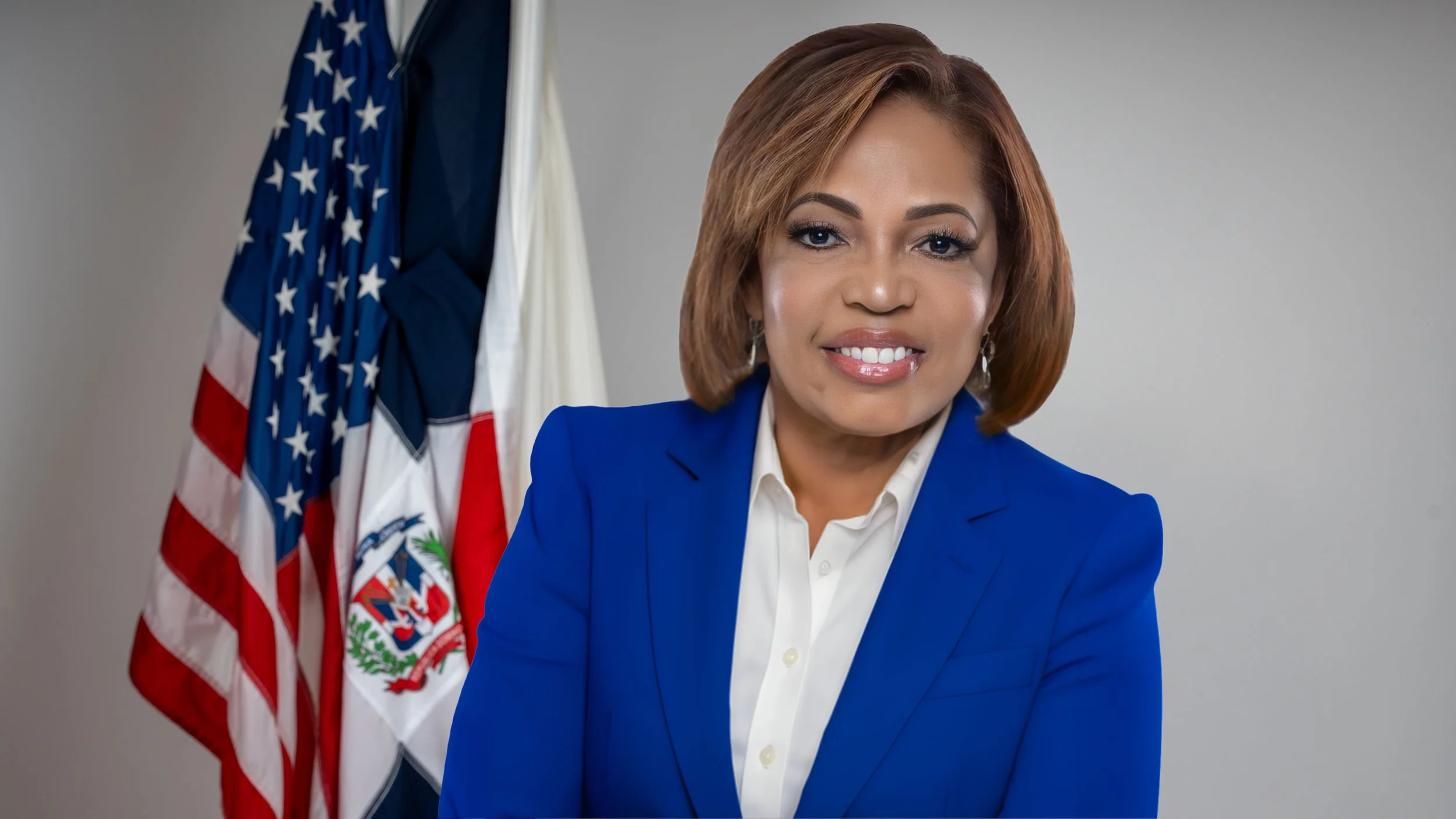
Grace Diaz
State Representative
EXECUTIVE DIRECTORS
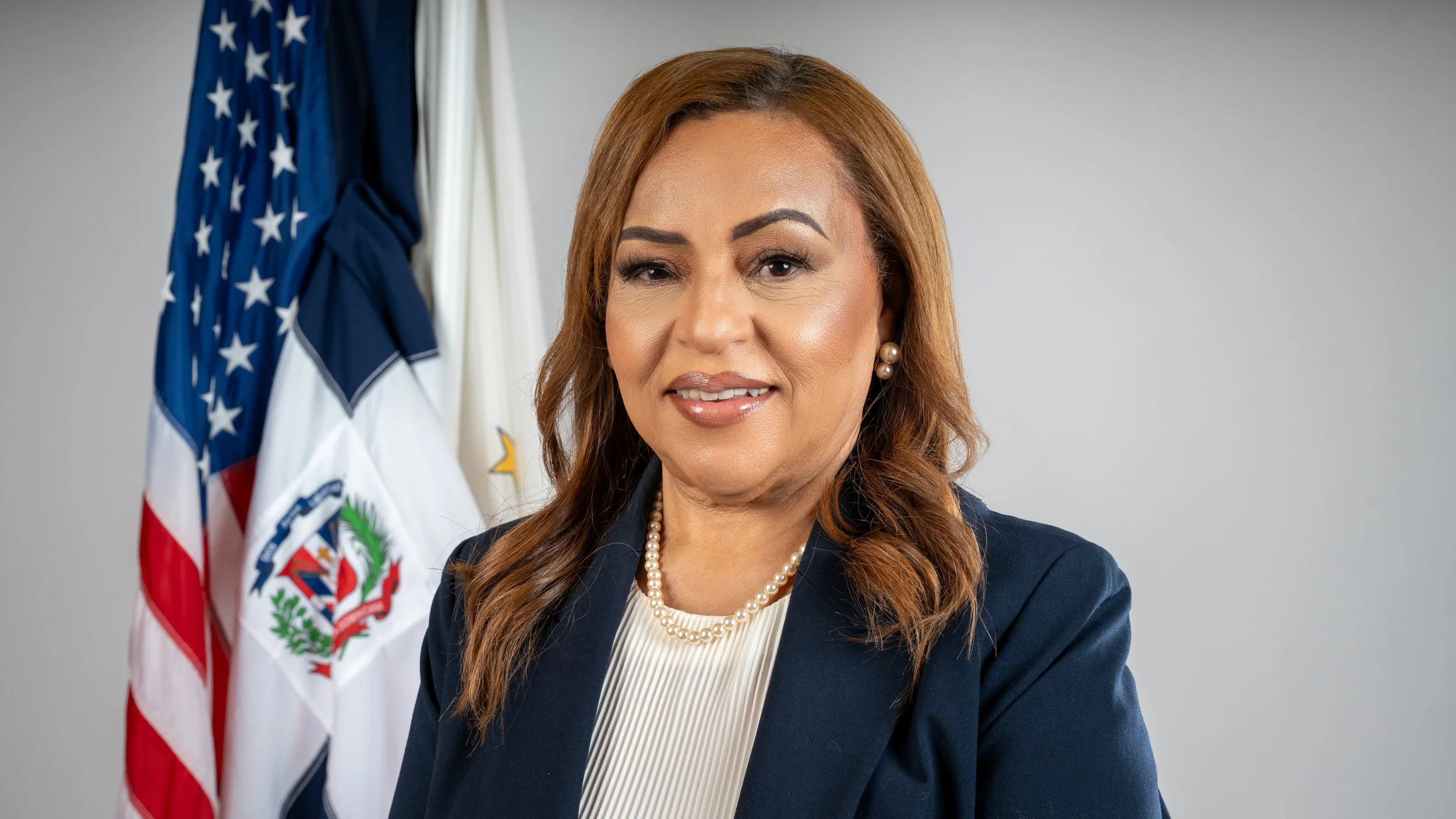
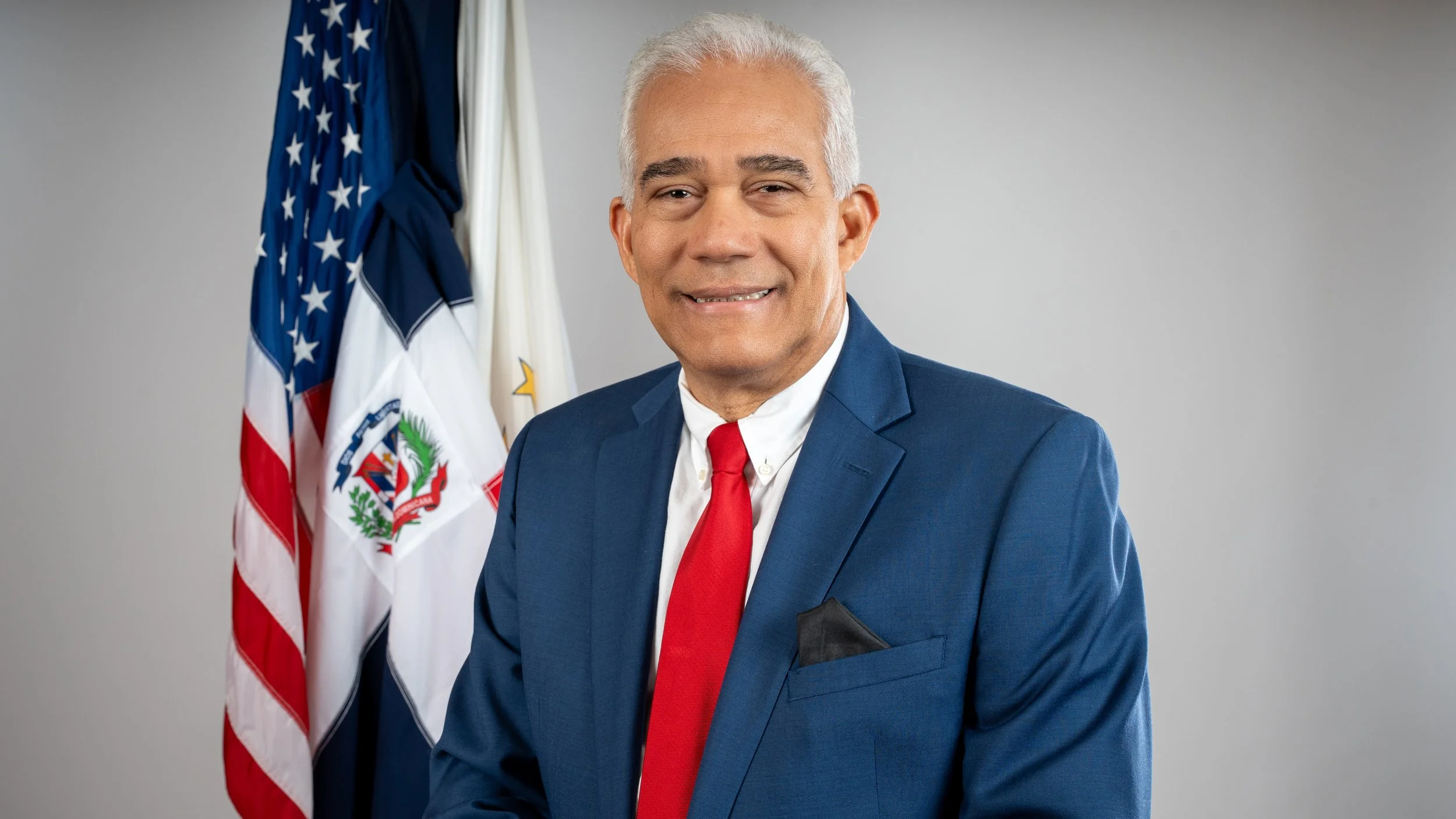
Everin Perez President
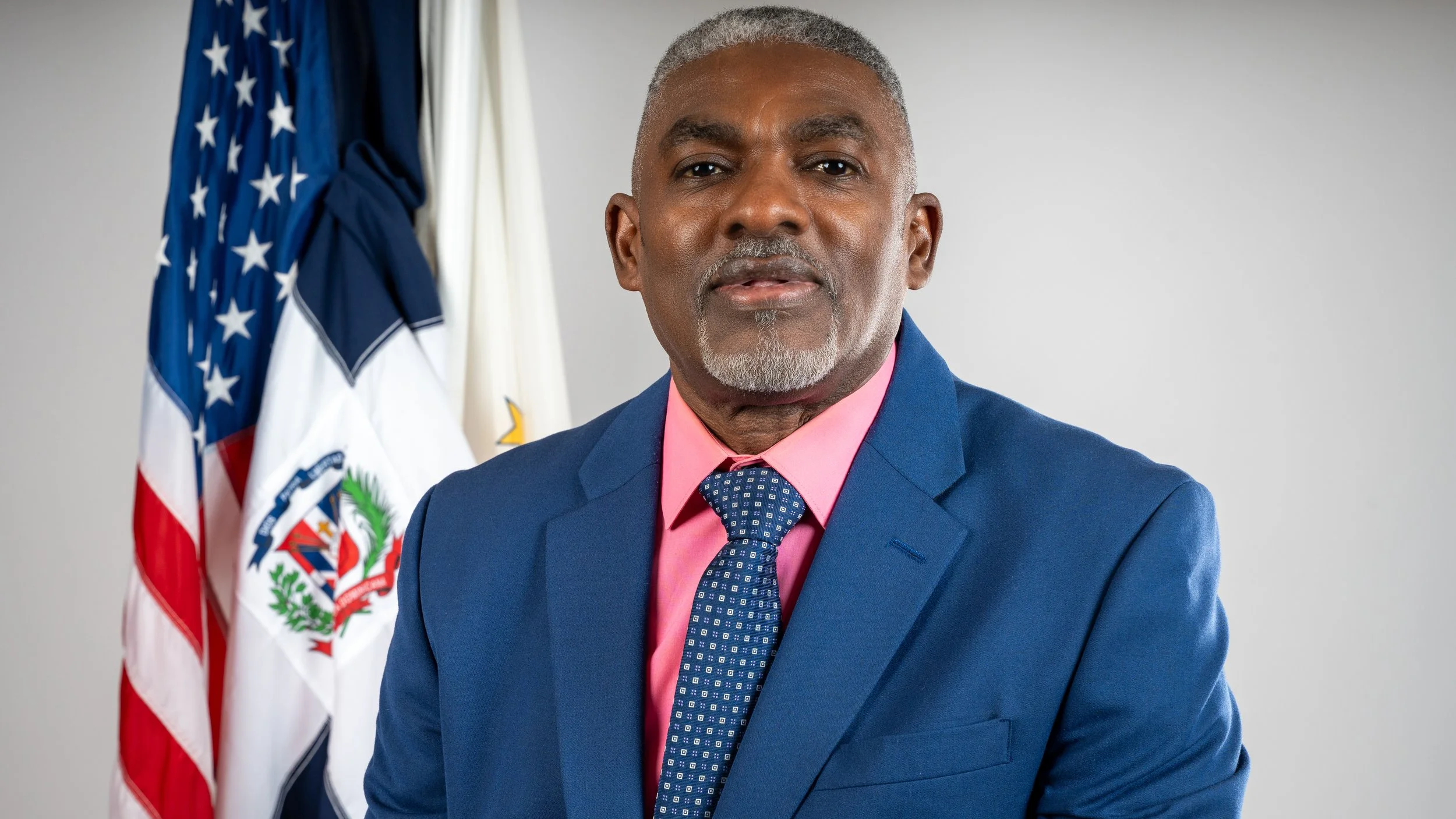
Octavio Gomez Vice President
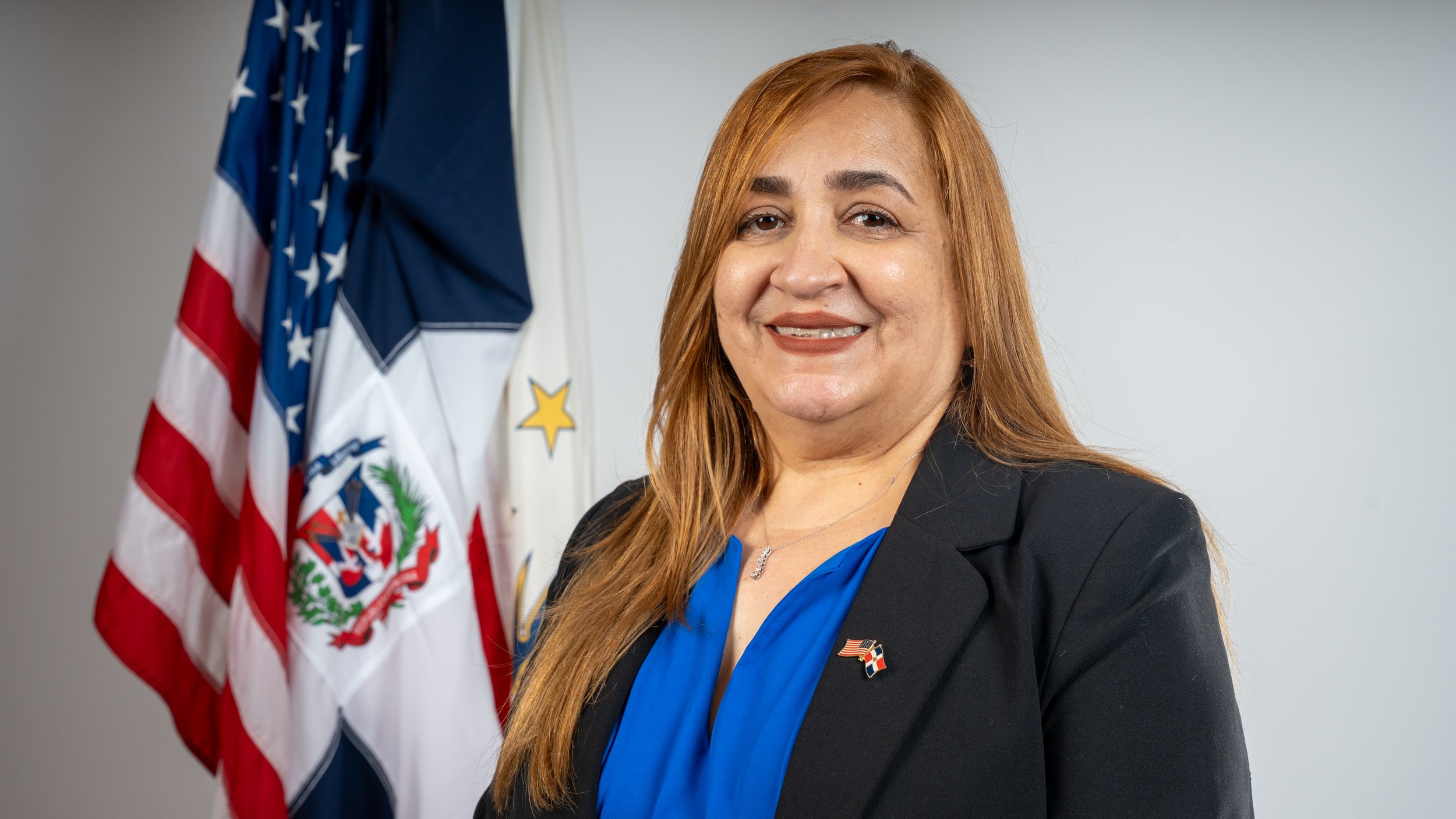
Franklyn Solano Treasurer
Arelis Medina Secretary
BOARD'S MEMBERS
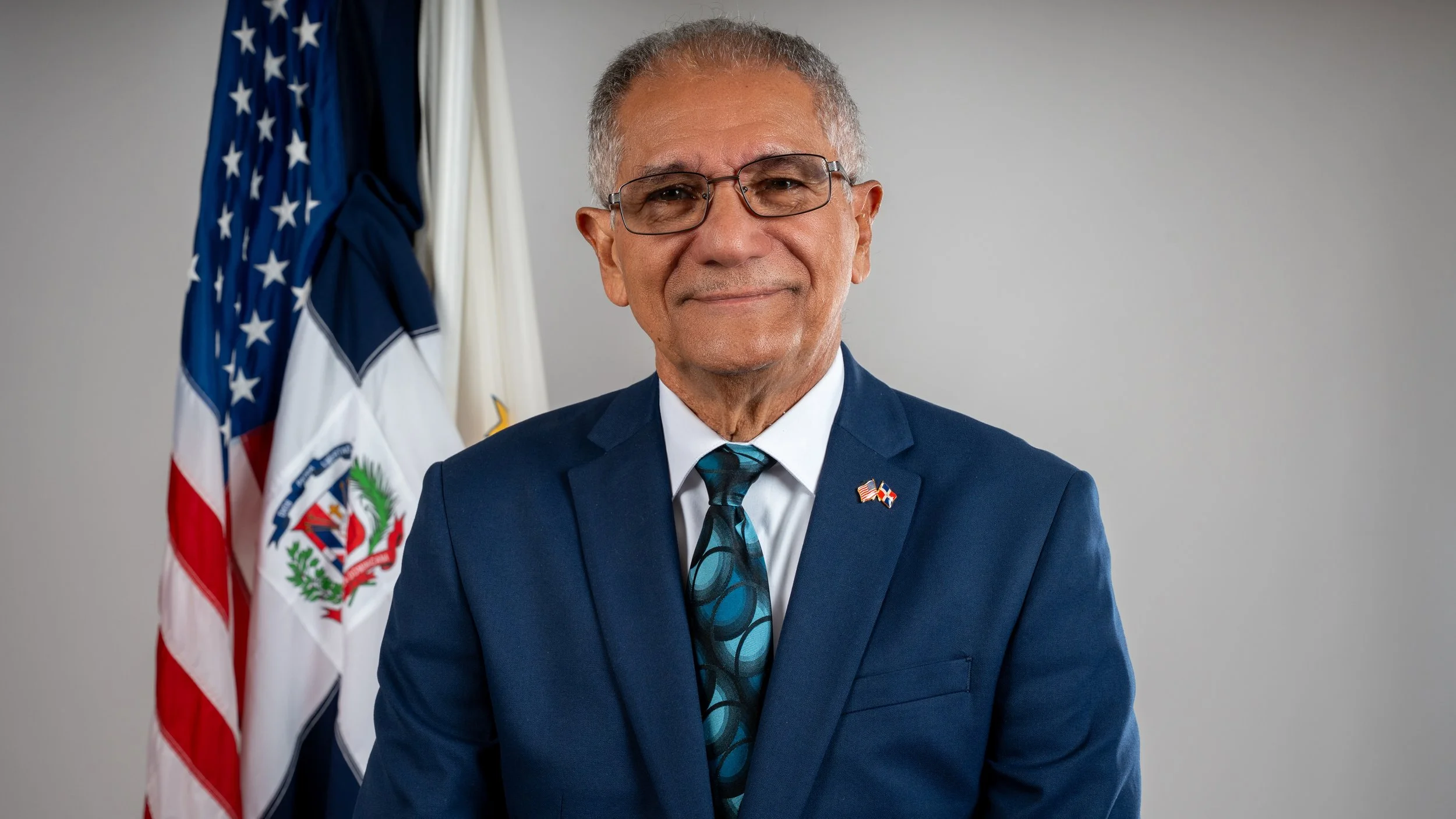
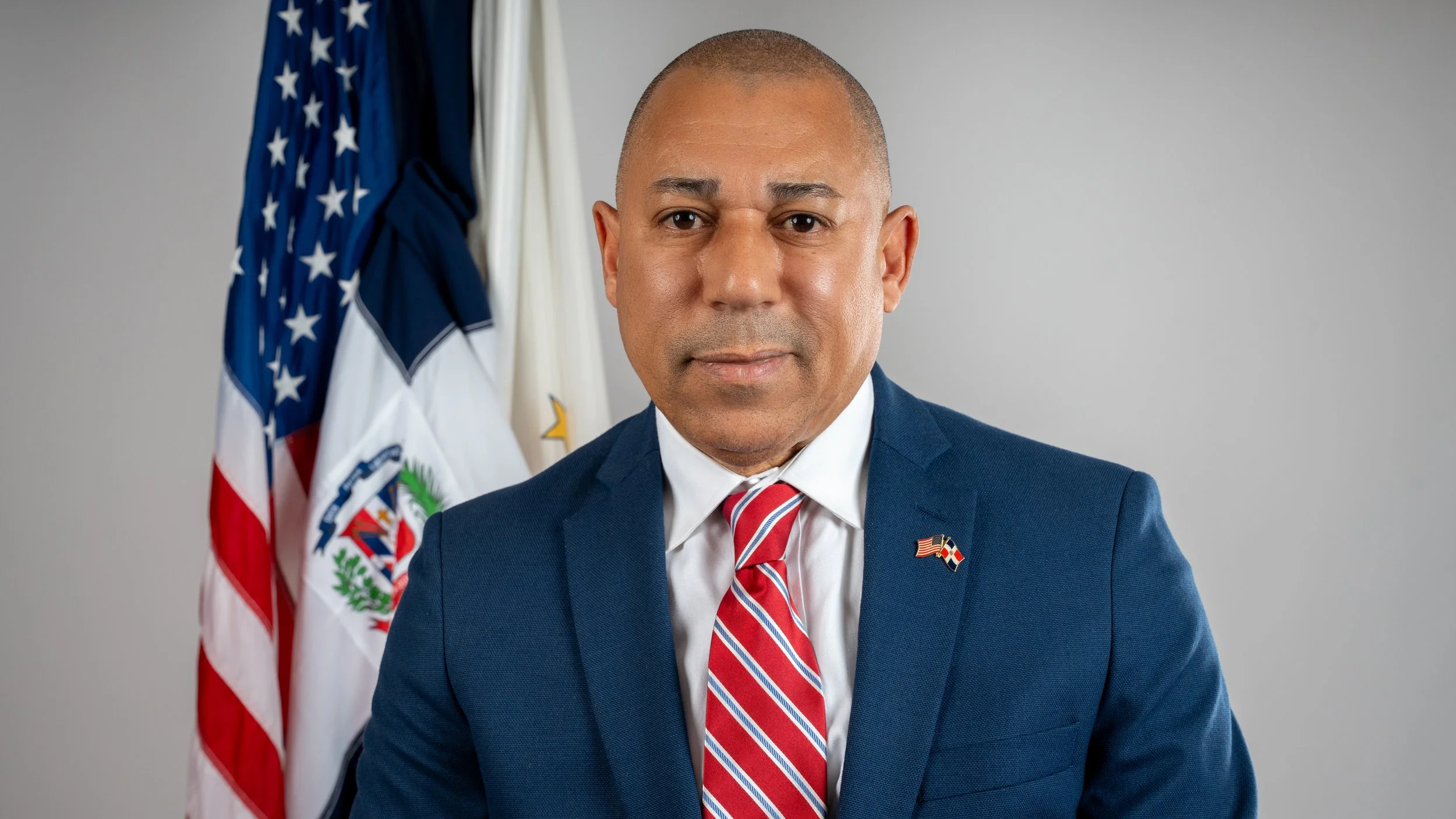
Hugo Adames
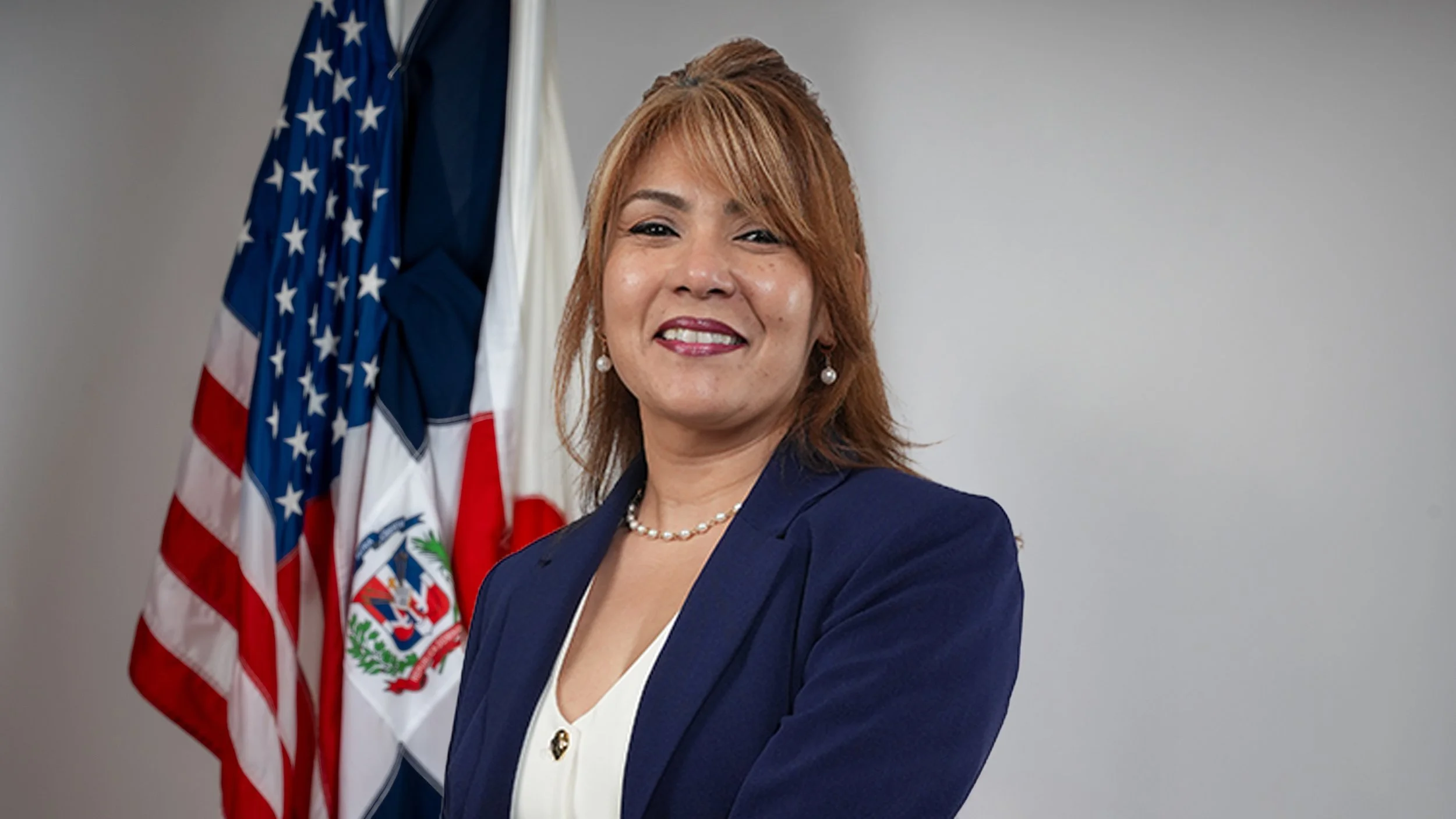
Isidro De León
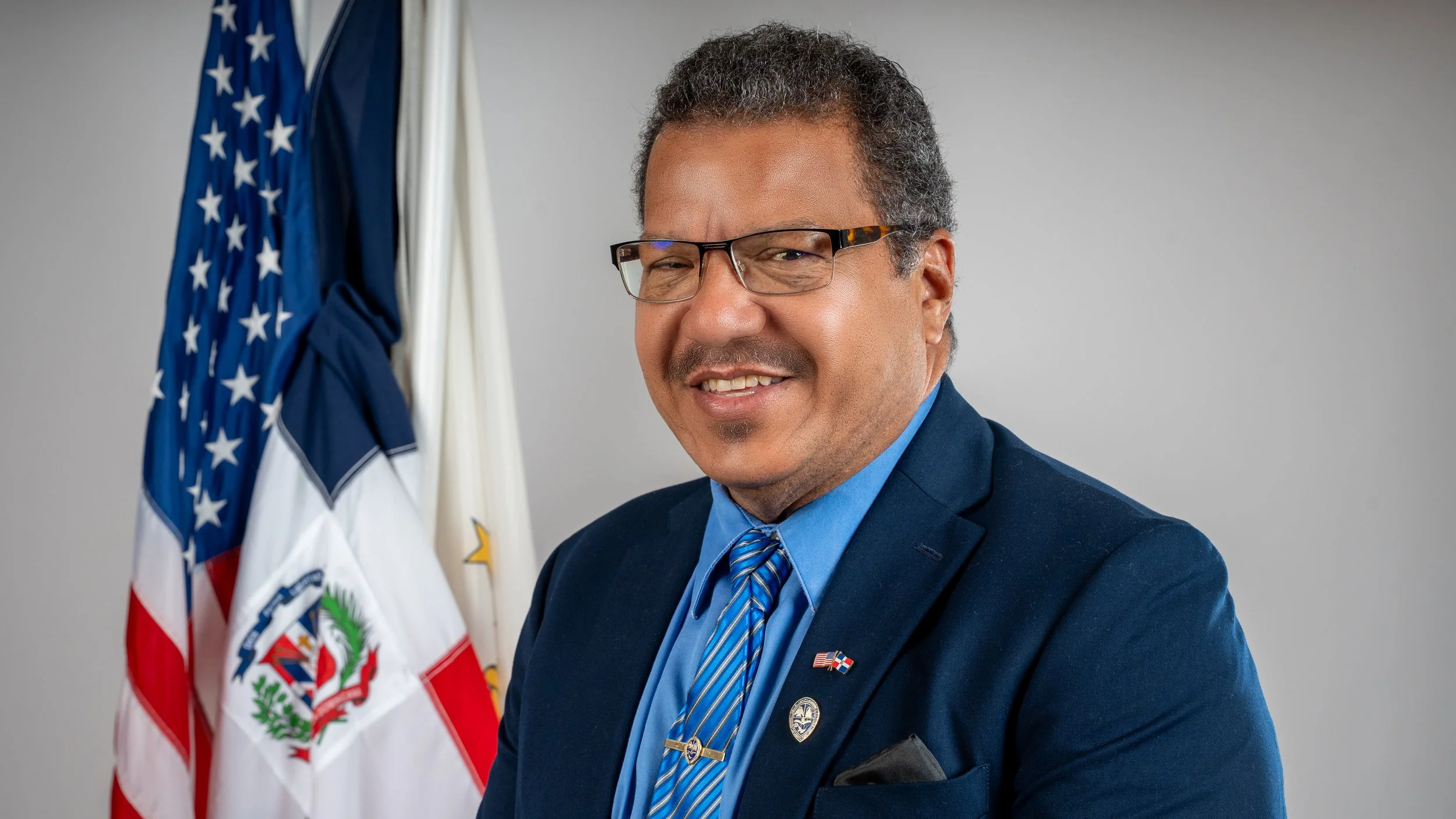
Miosotis Alsina
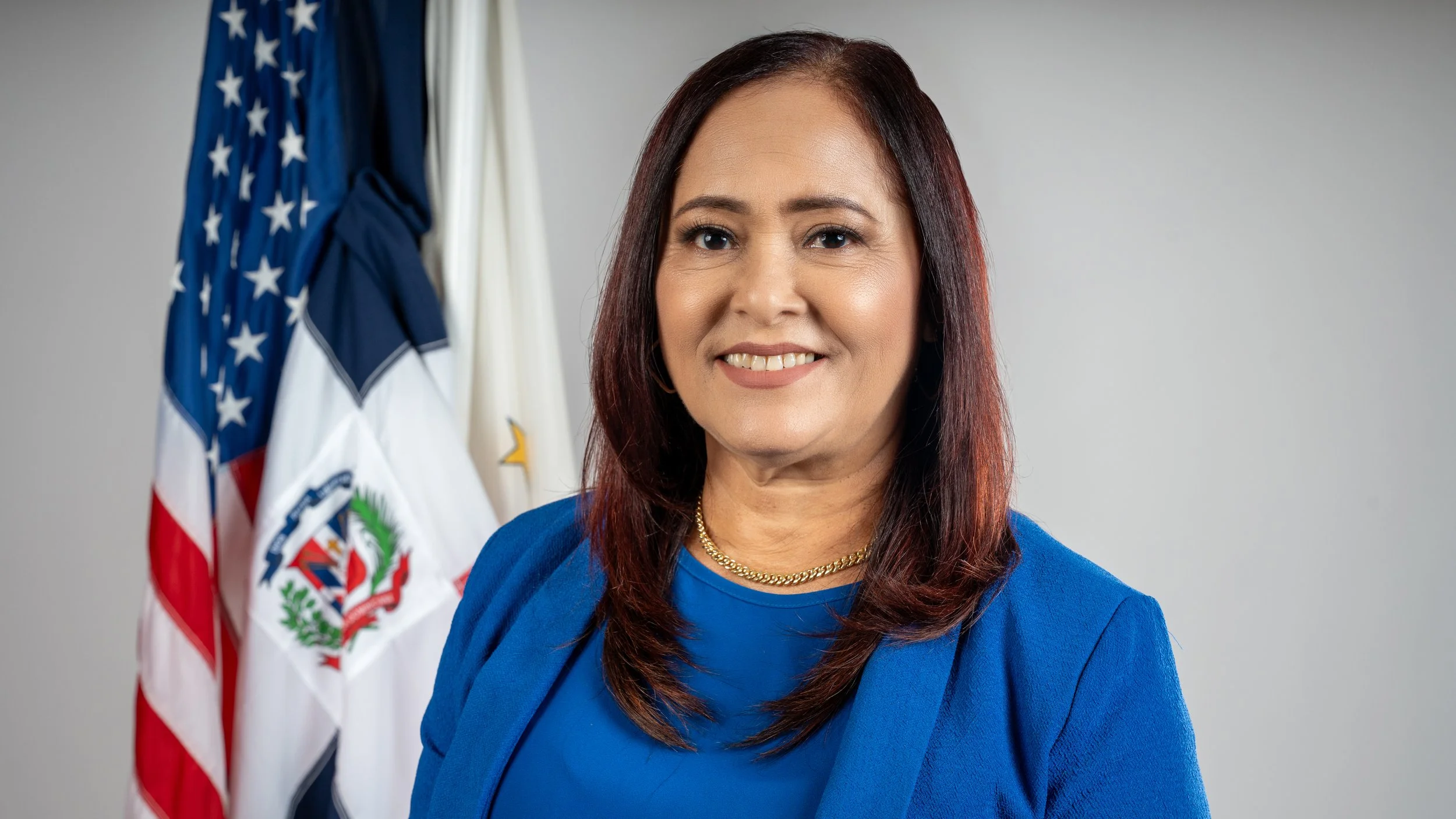
Pedro Pablo De La Rosa
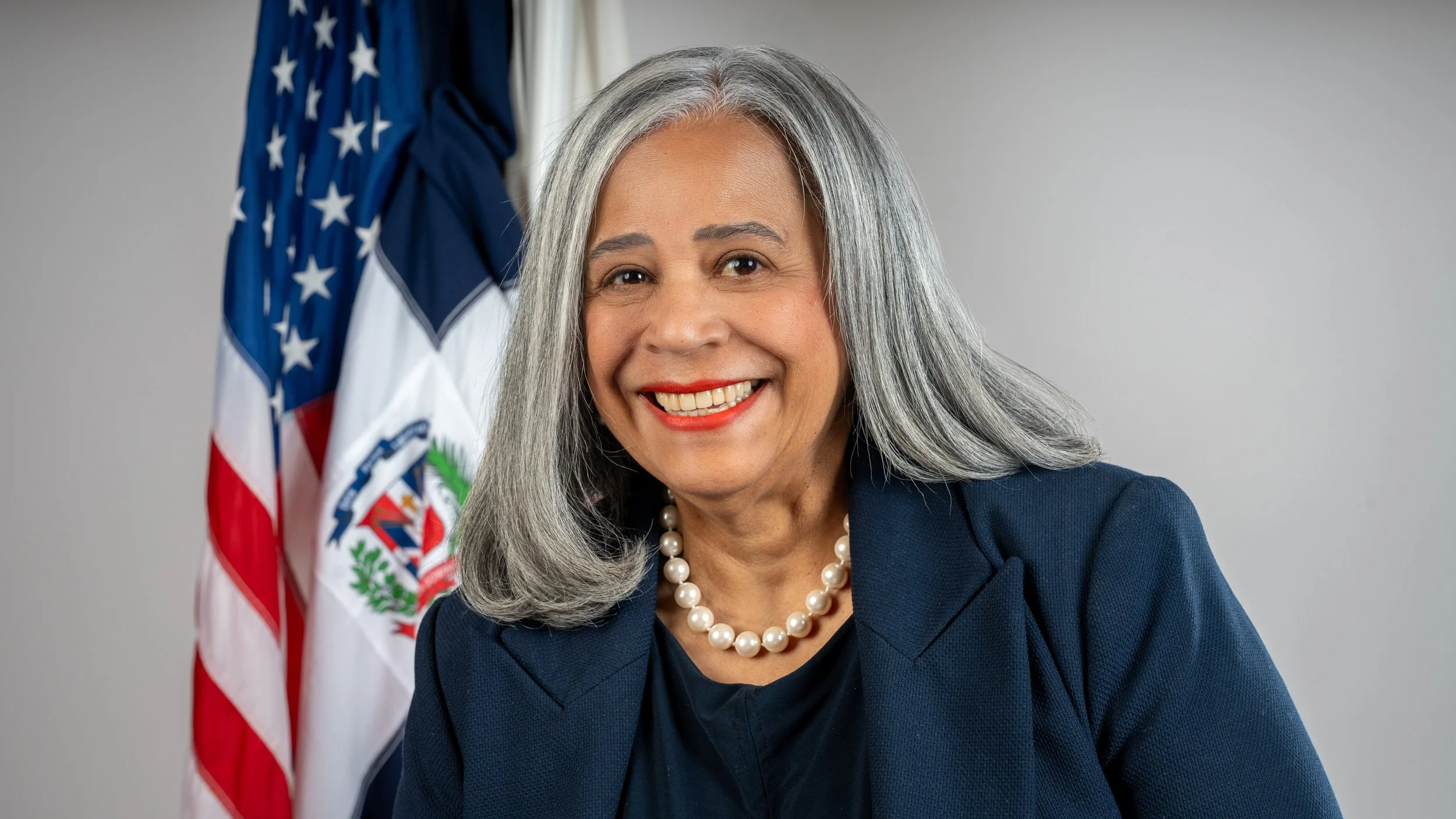
Digna Alcántara
Carmen A. Mirabal
FOUNDING FATHERS
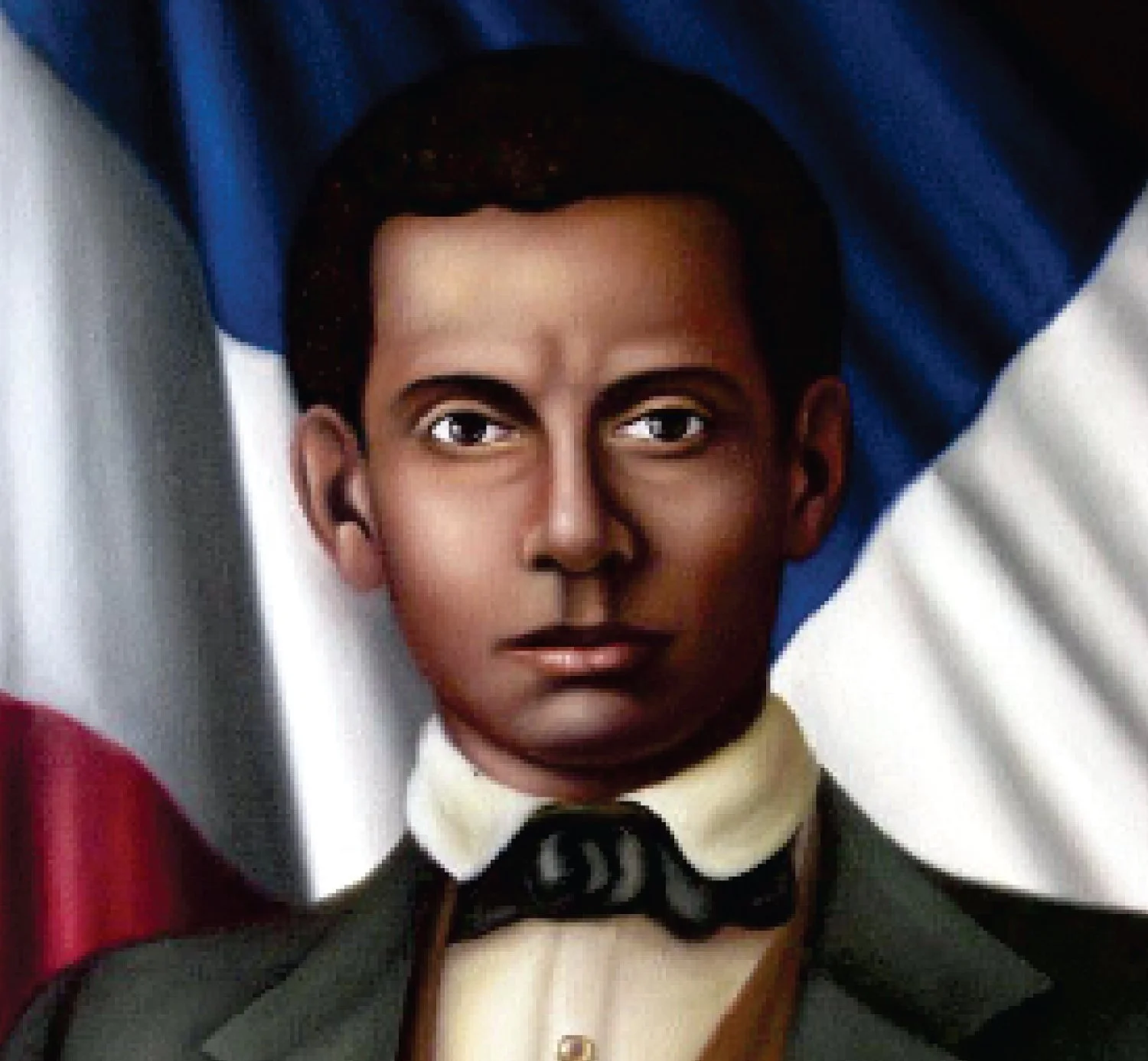
Francisco del Rosario Sánchez
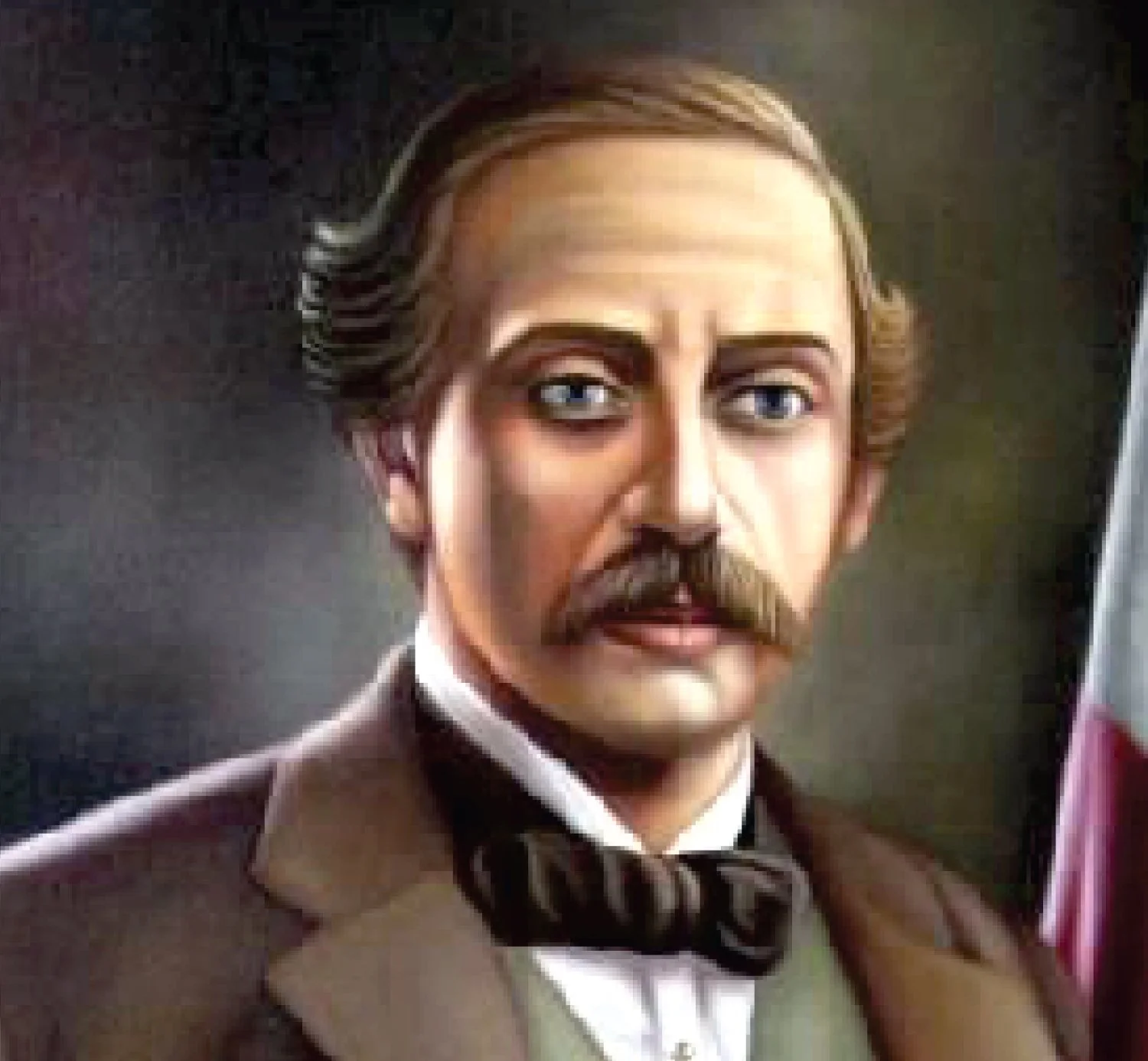
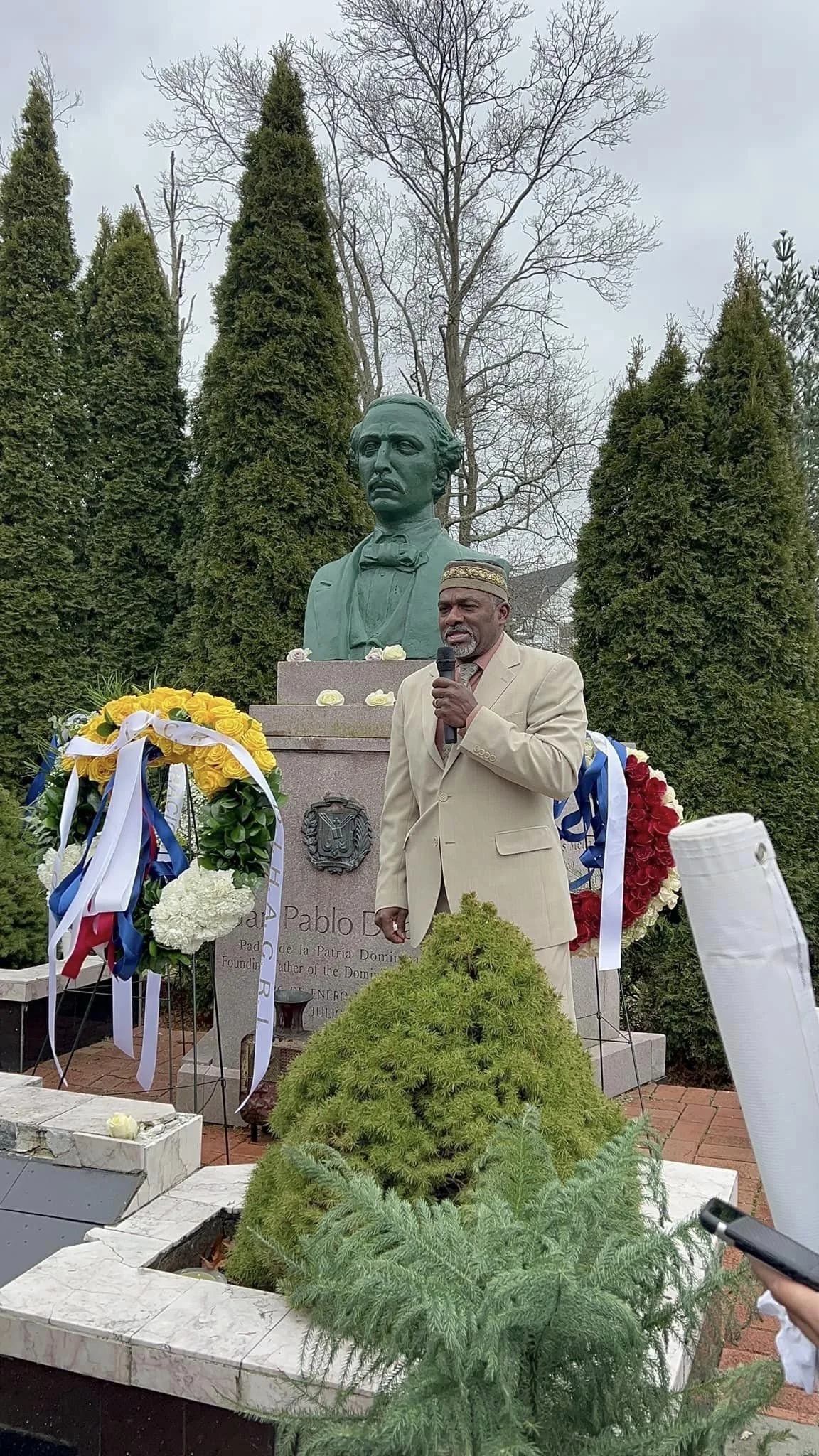
Juan Pablo Duarte
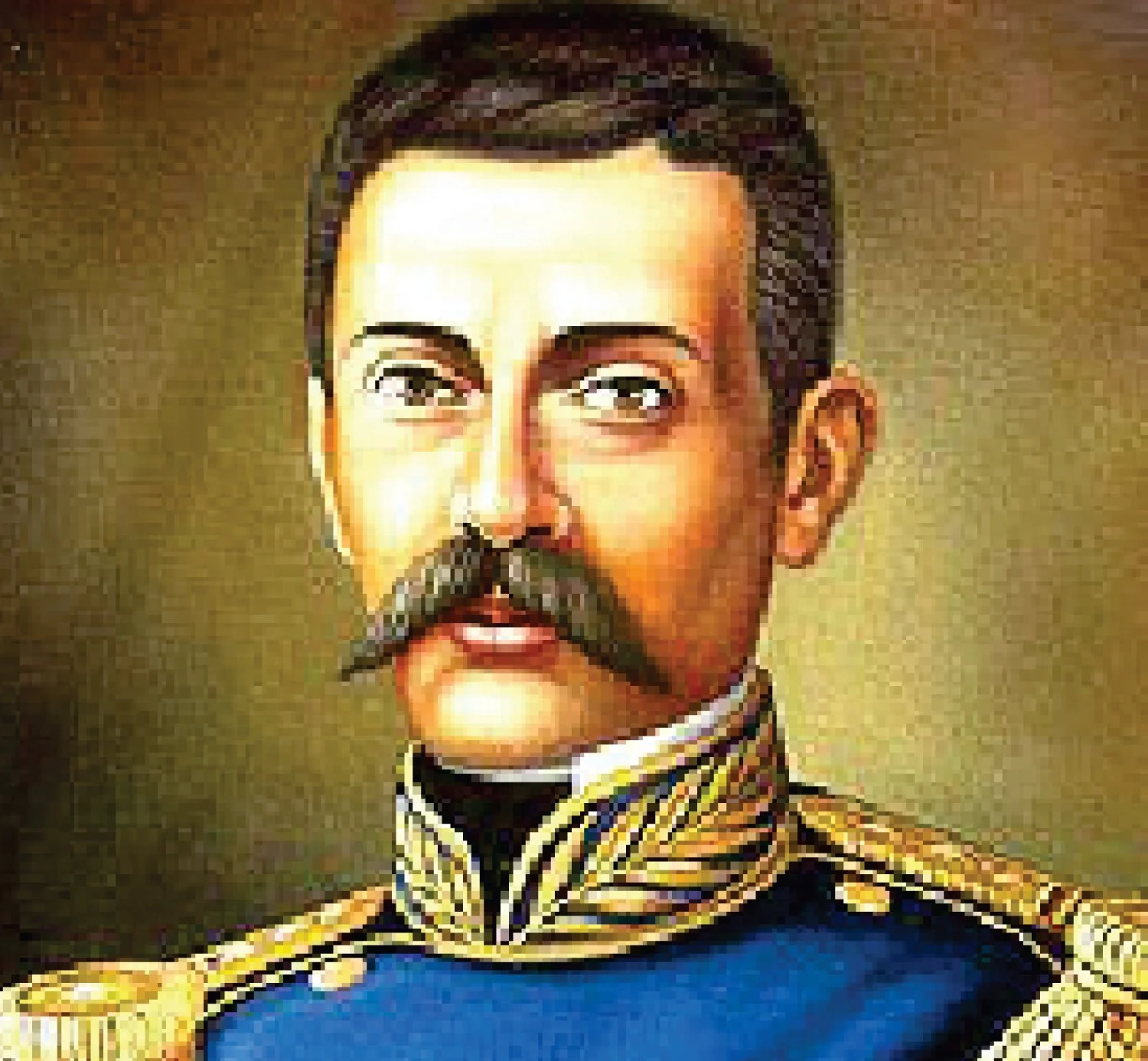
Ramón Matías Mella
In Memoriam of Dominican Leaders
Community Leaders & Artist
Miguel Luna (Providence City Council)
Margarita Adames (DIHACRI Member)
Enemencio “Papo” Toribio (Sports Leader)
Josefina Rosario “Dona Fefa” (First Dominican In RI)
Bienvenido Garcia (Community Activist)
Laura Rodriguez (Community Activist)
Jhony Ventura (Dominican Artist)
Rubby Perez (Dominican Artist)
Alex Bueno (Dominican Artist)
We honor and celebrate the enduring legacy of these cherished members of our community, whose dedication, love, and unwavering impact continue to inspire us. Their contributions and spirit remain a guiding light for DIHACRI and for all whose lives they touched.

Juan Pablo Duarte and the Independence of the Dominican Republic
Juan Pablo Duarte, a visionary leader and patriot, is revered as the founding father of the Dominican Republic. Born on January 26, 1813, in Santo Domingo, Duarte devoted his life to securing the nation’s independence from Haitian rule. His education in Europe ignited in him a deep passion for the ideals of liberty, democracy, and national sovereignty.
In 1838, Duarte founded La Trinitaria, a secret society dedicated to the struggle for Dominican independence. Its mission was to free the nation from nearly two decades of Haitian occupation. Duarte envisioned a Dominican Republic rooted in freedom, self-governance, and democratic principles.
That vision moved closer to reality in 1844, when, after years of relentless effort, the Dominican Republic declared its independence on February 27. Although Duarte was exiled during the final phase of the revolution, his ideals and leadership continued to guide the movement. Today, his legacy endures as a powerful symbol of courage and national pride.
Duarte’s contributions to the birth of the Dominican Republic are immeasurable. His unwavering dedication shaped the nation’s identity, inspiring generations to honor and protect the freedom he fought to secure. His role in the country’s founding remains a cornerstone of Dominican heritage and pride.
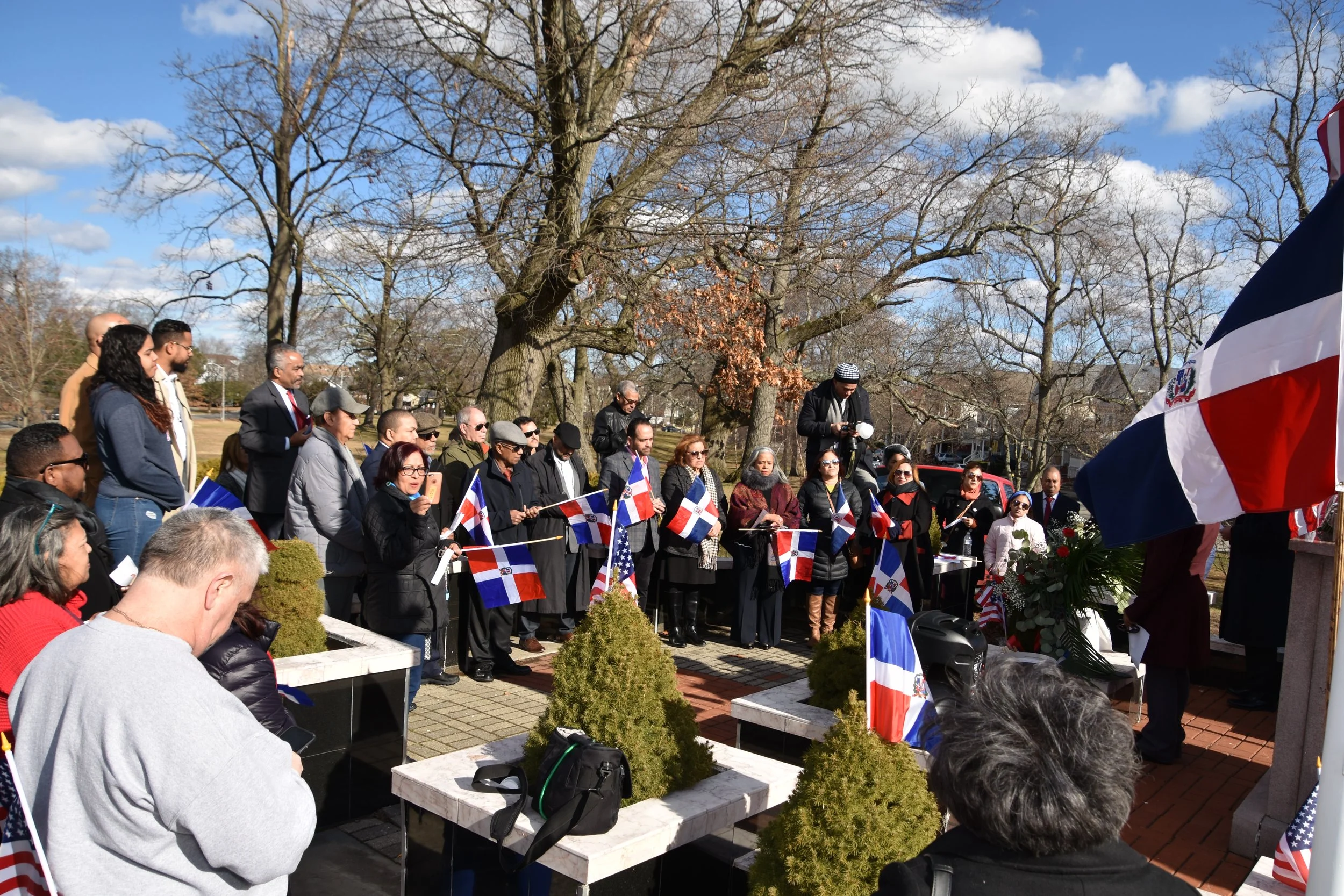
Juan Pablo Duarte Memorial – Roger Williams Park (Providence, RI)
February 2005
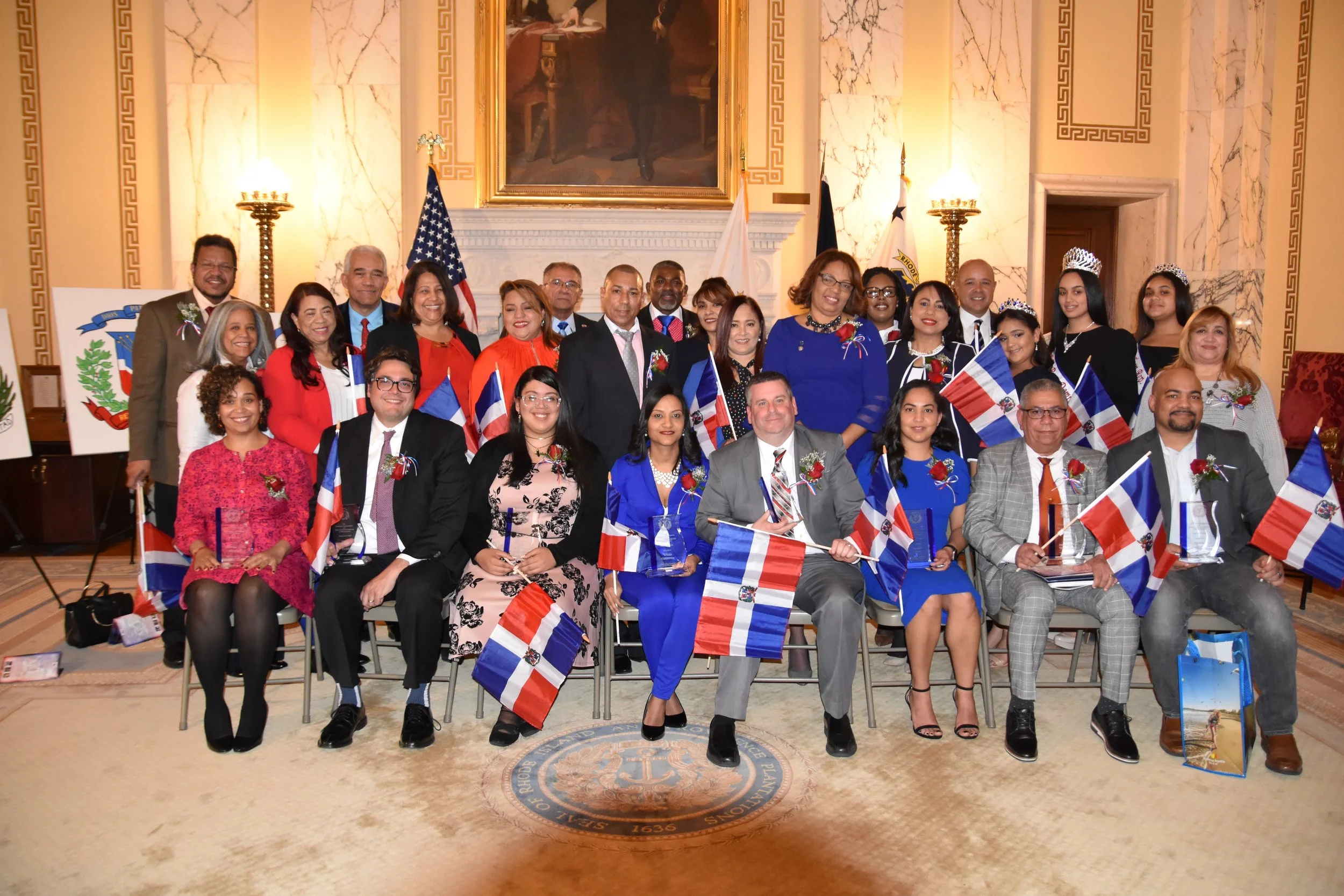
The first Dominican American Independence and Heritage Celebration took place at the Rhode Island State House, in the Governor’s State Room.
The celebration’s mission: Elevate the positive image of the Dominican community, preserve Dominican culture, honor the founding fathers, and inspire future generations to cherish their heritage.
First Celebration Highlights
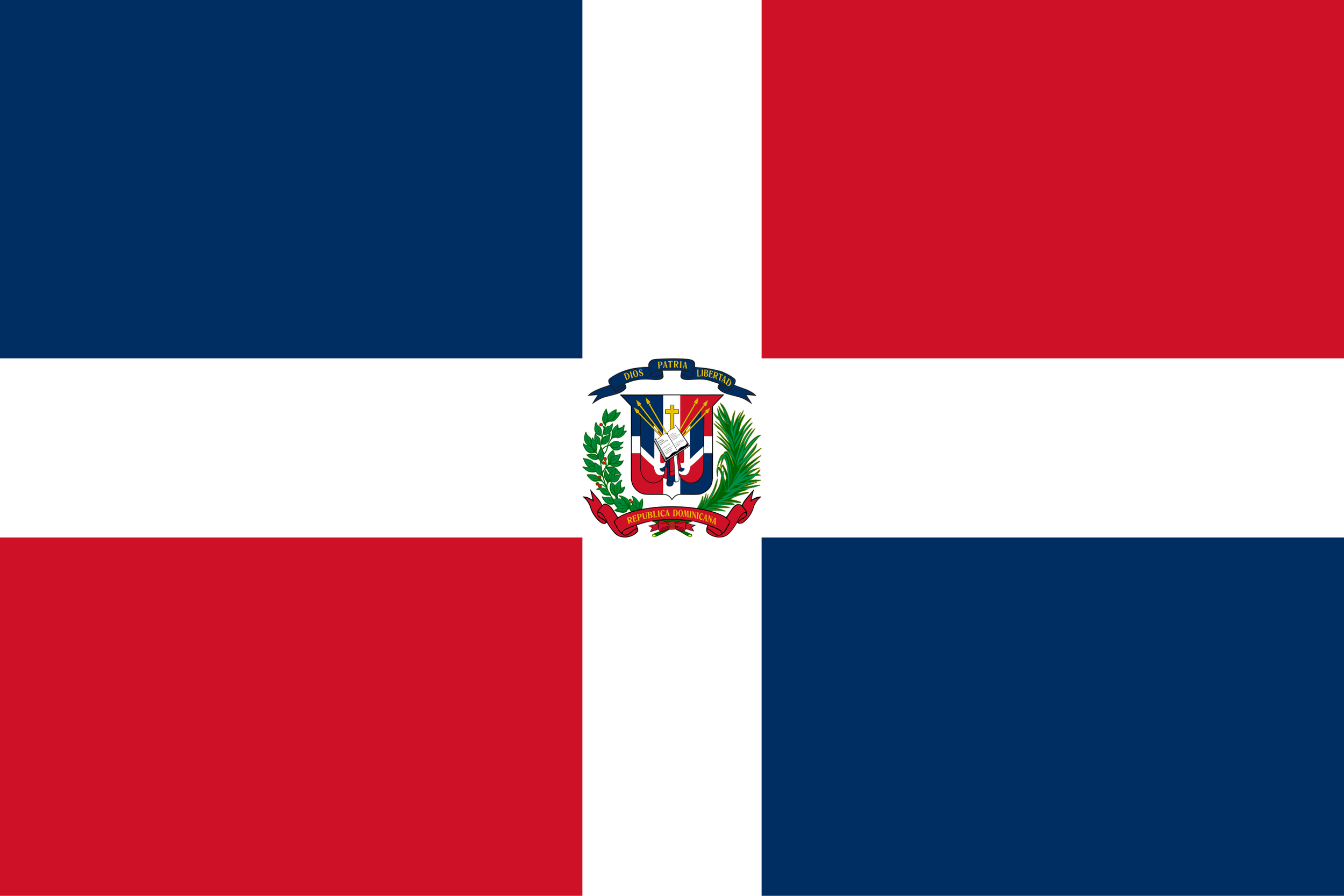
The event featured the Dominican tricolor flag and honored distinguished Dominican-Americans such as Councilman Miguel Luna, Journalist Hugo Adames, and Business Owner Ada Terrero.
The Dominican Ambassador from Washington also attended, and local media covered the event.
Post-Celebration
Due to the success and positive reception, Senator Pichardo and Representative Diaz decided to establish a permanent committee to continue the work of celebrating and recognizing the contributions of the Dominican-American community in Rhode Island.
Organizers
Senator Juan M. Pichardo and Representative Grace Diaz, both first-generation Dominican Americans, were key figures in making the celebration possible.
Senator Pichardo was the first Dominican elected to the Rhode Island Senate (2003).
Representative Diaz was the first Dominican-American female elected to the Rhode Island House of Representatives (2005).
2006
- The Dominican Independence Award Committee was formally established.
- The committee, which included members like Everyn Perez, Jovanna Garcia, Jhomphy Ventura, and others, began selecting individuals for recognition in various categories like art, business, education, and community service.
- For the first time, the committee presented award trophies to honorees.
- The event attracted local and state media attention, and local Dominican business owners helped sponsor the celebration.
2007
2008–2016
2005–Present